
The World's Most Important Corridor
About Malik | Middle East | Indian Ocean
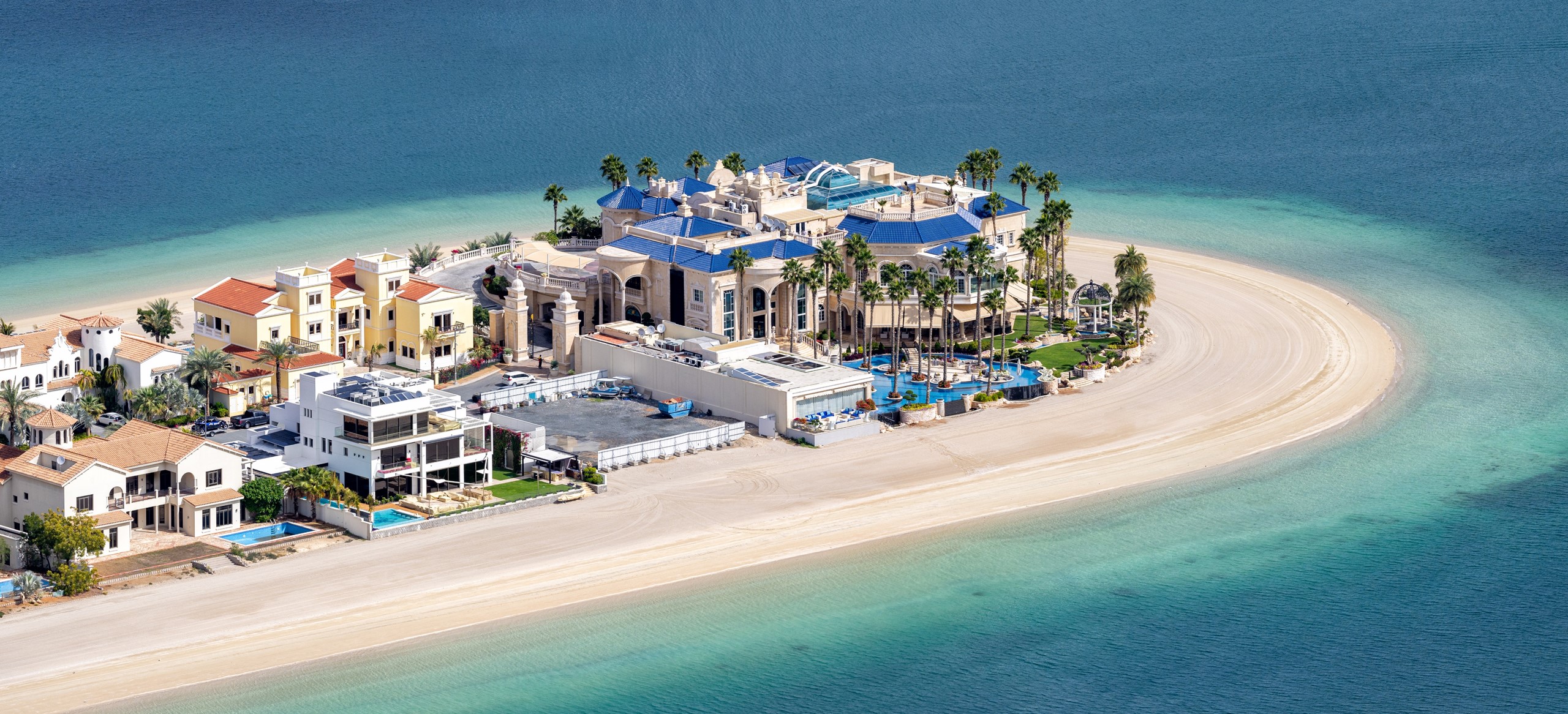
The Gulf and the Indian Ocean — the world's most important corridor that nobody talks about properly
Draw a line from Dubai to Mauritius. It is approximately 4,000 kilometres. Along that line and in the waters surrounding it you will find more concentrated wealth creation, more ambitious construction, more significant population movement and more genuine lifestyle reinvention than in almost any comparable geography on earth.
This is not a new observation. It is a very old one that the modern world has temporarily forgotten.
The Indian Ocean was the world's first globalised trade network. Long before the Atlantic became the centre of global commerce — long before New York, London and Amsterdam emerged as the nodes of the modern financial system — the Indian Ocean was connecting East Africa, the Arabian Peninsula, the Indian subcontinent and Southeast Asia in a web of trade, culture and human movement that shaped every civilisation it touched.
The Gujarati merchants who built the trading networks of the Arabian Sea. The Arab sailors who mapped the monsoon winds and used them to cross from Oman to Calicut to Zanzibar with a precision that Europeans would not match for centuries. The Creole cultures of Mauritius and the Seychelles — living evidence of the extraordinary human mixing that the Indian Ocean enabled across centuries of contact between Africa, India, China, France and Britain.
The Gulf emerged from this history as the corridor's beating heart. Its position at the intersection of the world's most significant shipping lanes — connecting Europe to Asia, Africa to India, the ancient world to the modern one — gave it a geographic advantage that no amount of geopolitical change has been able to permanently suppress.
What the discovery of oil did was accelerate a transformation that geography had already made inevitable. The Gulf became wealthy first and then became ambitious. The ambition produced Dubai — arguably the most audacious urban experiment of the modern era. A city built in a generation on desert and saltwater that now hosts more than 200 nationalities, processes trillions of dollars in trade and property annually and serves as the operational base for an extraordinary proportion of the world's internationally mobile human capital.
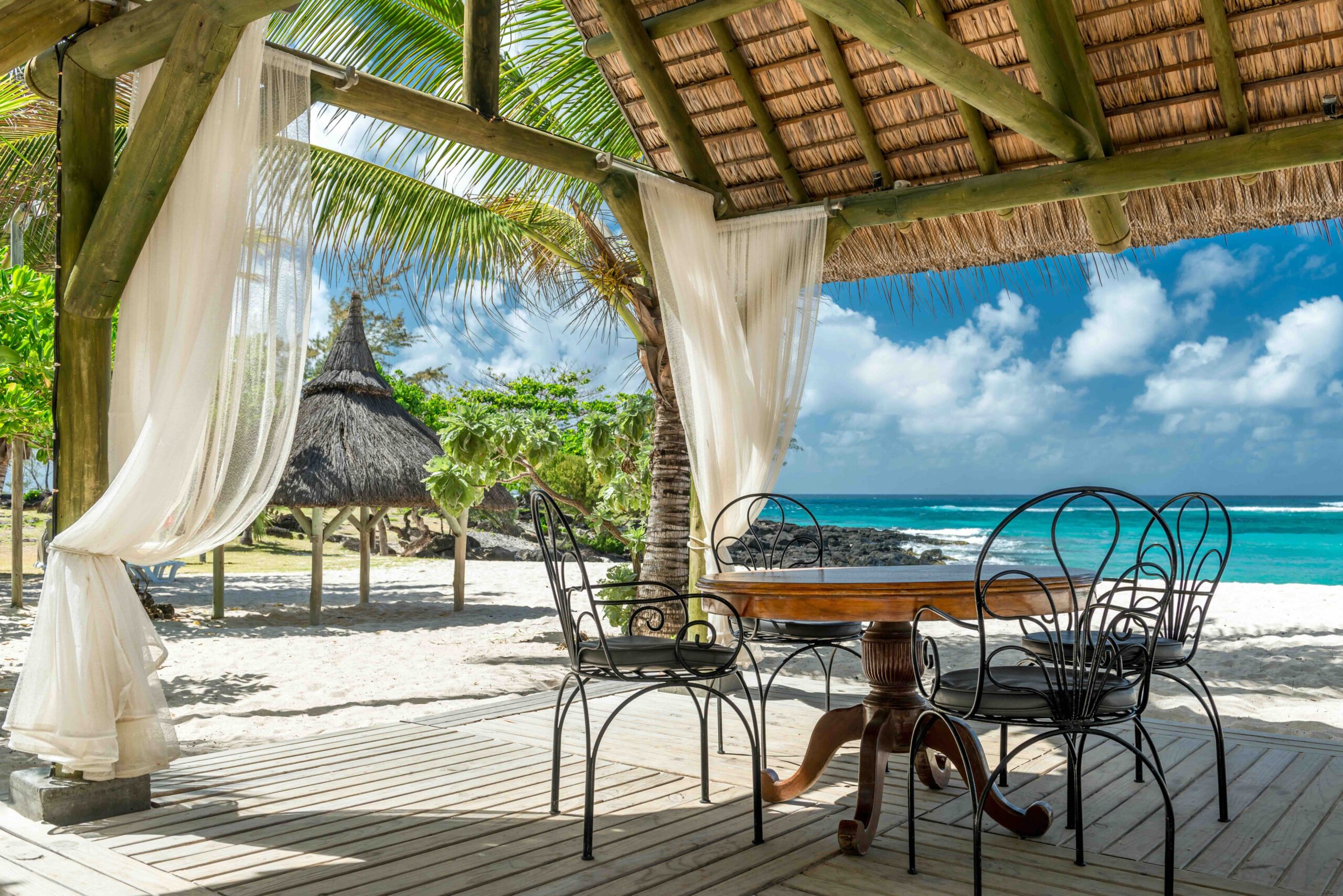
The Indian Ocean responded to this transformation in ways that are still unfolding. Mauritius positioned itself as the corridor's most sophisticated financial centre — building a tax and legal infrastructure that made it the preferred holding company jurisdiction for investments flowing between Africa, India and Europe. Seychelles maintained the extraordinary natural environment that makes it the most desirable address in the Indian Ocean for buyers who want something that money cannot manufacture. The Maldives created a luxury hospitality model so specific to its environment that it has no genuine equivalent anywhere else on earth.
The corridor between these two worlds — Gulf and Indian Ocean — is where the most significant property investment decisions of the next two decades will be made. Not because of fashion or trend but because of fundamentals that have been building for fifty years and are now reaching a maturity that makes them undeniable.
The population of the Gulf is growing. The internationally mobile community choosing Dubai as its base is growing faster. The South Asian, African and European buyer who wants both worlds — the efficiency and dynamism of the Gulf for business, the beauty and tranquillity of the Indian Ocean for life — is discovering that the corridor makes both possible simultaneously.
The buyers who understand this corridor — who see not just Dubai or just Mauritius but the complete geography — are making investment decisions that will look obvious in retrospect and are genuinely underpriced right now.
The corridor is not a niche. It is the future geography of serious international wealth. And it has barely started.