
Qetaifan Island North: Qatar’s Waterfront Realities
Residency | Middle East
Qatar's Bet on Waterfront Lifestyle Investment
There is a specific moment when a waterfront development stops being speculative and becomes genuinely compelling. It is the moment when the infrastructure is complete, the amenities are operational, and the first wave of residents and visitors have validated that the lifestyle proposition is real, not aspirational.
Qetaifan Island North in Qatar has crossed that threshold.
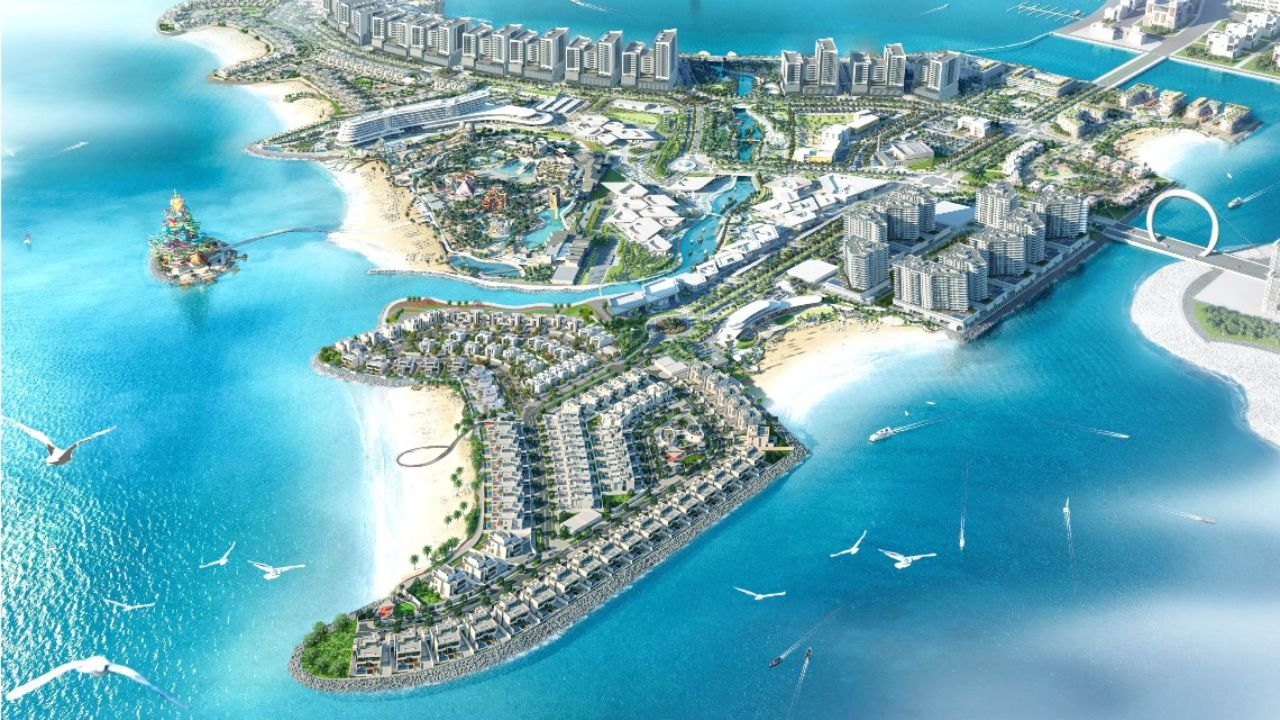
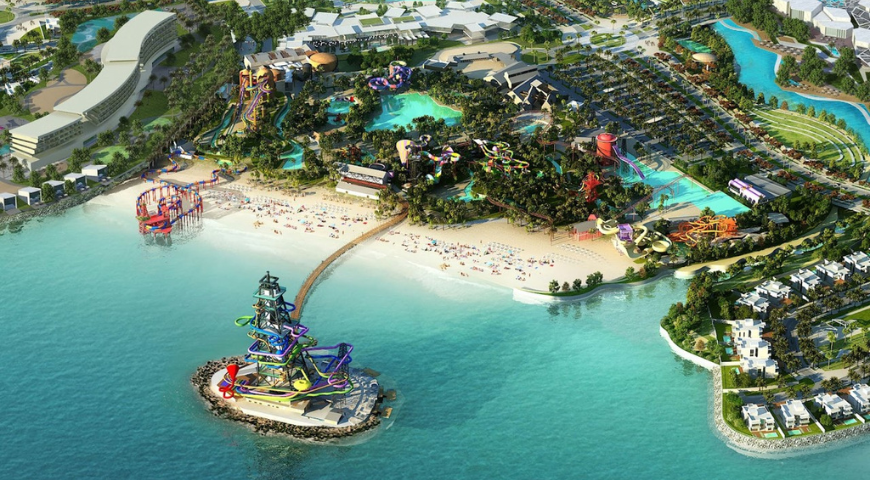
Meryal Waterpark is operational, with 36 rides including the 76-metre RIG 1938 slide—the world's tallest water coaster—welcoming 1.5 million visitors annually. The Rixos Premium Qetaifan Island is operational at 85 percent occupancy. Azure Beach Club's private cabanas are drawing Doha's elite. The 1.2 kilometre navigable salt canal linking vibrant souqs and Linear Park's green spaces is complete.
This is not a rendering. This is a functioning waterfront community in operation, generating foot traffic, hospitality revenue, and the kind of lived experience that validates the investment thesis for buyers considering residential property on the island.
What Qetaifan Island North actually is.
Qetaifan Island North is a 1.3 million square metre waterfront development in Lusail City, Qatar's $45 billion smart city located north of Doha. The island is fully owned by Katara Hospitality and managed by Qetaifan Projects.
The location matters. Lusail City is not an aspirational development waiting to be built. It is operational, with 200,000 residents already living in the city's 19 integrated districts. The Marina District, Fox Hills, and Lusail Stadium—which hosted the 2022 FIFA World Cup final—are central to Lusail's urban plan. A $250 billion development pipeline announced in 2025 continues to drive investor interest.
Qetaifan Island North sits five kilometres from Lusail Boulevard, connecting residents to Lusail's business and commercial hub. This is not an isolated resort island. This is an integrated component of Qatar's most ambitious urban development, with direct connectivity to the infrastructure and employment base that makes residential ownership viable for long-term residents, not just vacation-home buyers.
The residential proposition.
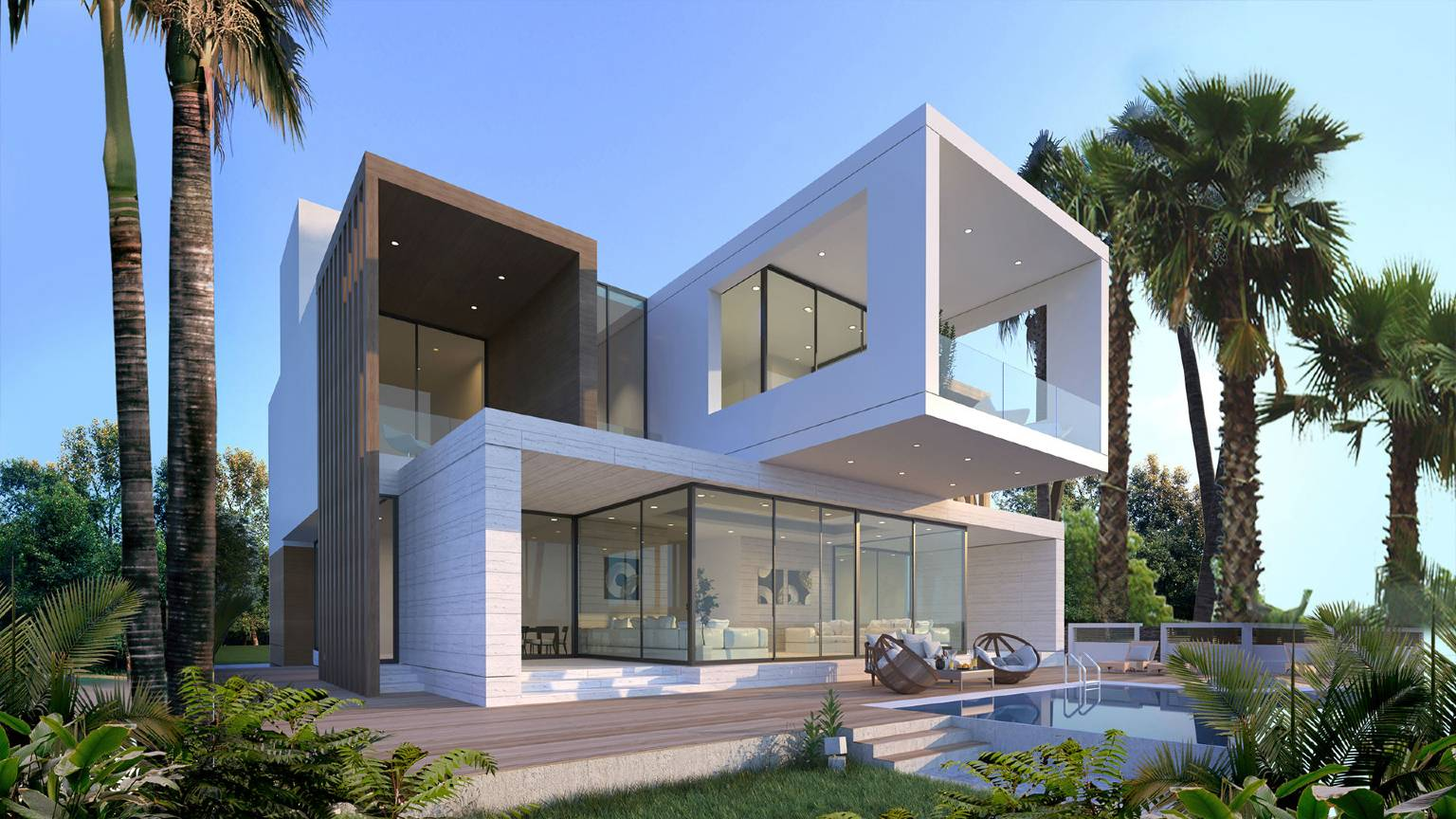
In February 2025, Taameer Properties signed an agreement with Qetaifan Projects to develop seven prime plots—both seafront and inland—on Qetaifan Island North. The first project unveiled is Carlton House, a luxury residential development overlooking the island's western waterfront with 316 residential units and 14 retail shops.
The residential units range from studios to three-bedroom apartments, with each unit designed to provide access to the island's facilities including shopping centres, restaurants, and entertainment venues. A waterfront promenade with cafes and dining completes the amenity offering.
Pricing in Qetaifan Island North has been tracking at 8 to 10 percent rental yields with 7 percent annual price growth. Two-bedroom units are generating QAR 6,500 to 10,000 monthly in rental income. For the investor buyer comparing these returns to what is available in mature markets or even other Gulf cities, the Qetaifan proposition is compelling.
What makes this different from Dubai.
The obvious comparison is to Dubai's waterfront developments—Palm Jumeirah, Dubai Marina, Bluewaters Island. These are established, liquid markets with decades of operational history and proven demand. Qetaifan Island North is newer, smaller, and operates in a market that is less internationally liquid than Dubai's.
But that comparison misses what Qetaifan offers that Dubai does not. Qatar's 4.6 million tourists in 2024 are projected to reach 6 million by 2030. The 2025 Web Summit and 2026 AFC Asian Cup are driving demand for short-term rentals. Qatar's GDP growth at 2 percent in 2024, underpinned by $450 billion in sovereign wealth, creates economic stability that translates into residential market resilience.
More importantly, Qatar has introduced investment incentives that matter. Property purchases above QAR 3.6 million ($1 million) now grant eligibility for permanent residency. This is not a temporary visa. This is a pathway to long-term residency for high-net-worth buyers and their families.
For the internationally mobile buyer considering the Gulf, this changes the calculation. Dubai offers liquidity and transaction velocity. Qatar offers stability, sovereign wealth backing, and a residency framework that makes long-term commitment viable.
The execution track record.
Qetaifan Island North is operational. Meryal Waterpark is receiving 1.5 million visitors annually. The Rixos Premium is at 85 percent occupancy. Azure Beach Club is functioning. The infrastructure works.
This matters because Qatar's post-World Cup property market has been absorbing supply that was built for the tournament and determining which developments have genuine long-term viability versus which were built for a specific event and are now struggling to find purpose.
Qetaifan Island North's operational performance demonstrates that this is not a stranded asset. The hospitality infrastructure is drawing visitors. The residential demand is materializing. The rental yields are being achieved. For the buyer evaluating whether to commit capital to a Qetaifan residence, the execution track record is the evidence that reduces speculation and increases confidence.
What Malik thinks.
Qetaifan Island North is Qatar's most convincing waterfront lifestyle investment proposition. It is not the cheapest entry point into the Gulf property market. It is not the most liquid. But it offers something that few other developments can match: operational infrastructure that is already functioning, yields that are already being achieved, and a residency framework that makes long-term ownership genuinely viable.
The buyer who values stability over liquidity, sovereign wealth backing over market volatility, and genuine lifestyle amenities over transaction velocity will find Qetaifan Island North compelling. The buyer who wants Dubai's energy and commercial dynamism will not be satisfied here.
But for the internationally mobile buyer building a life across the Gulf and Indian Ocean corridor—someone who values Doha's connectivity to both regions, Qatar's economic stability, and the specific quality of waterfront living that Qetaifan delivers—this is one of the most intelligently positioned residential offerings currently available.
The question is not whether Qetaifan Island North will work. The waterpark traffic, hotel occupancy, and rental yields prove it is working. The question is whether enough internationally mobile buyers will recognize that what is being offered here is different from Dubai—and whether that difference matters to them.
For the right buyer, it does.