
The Monsoon Investment: Strategic Seasonality
Indian Ocean | Wealth & Tax
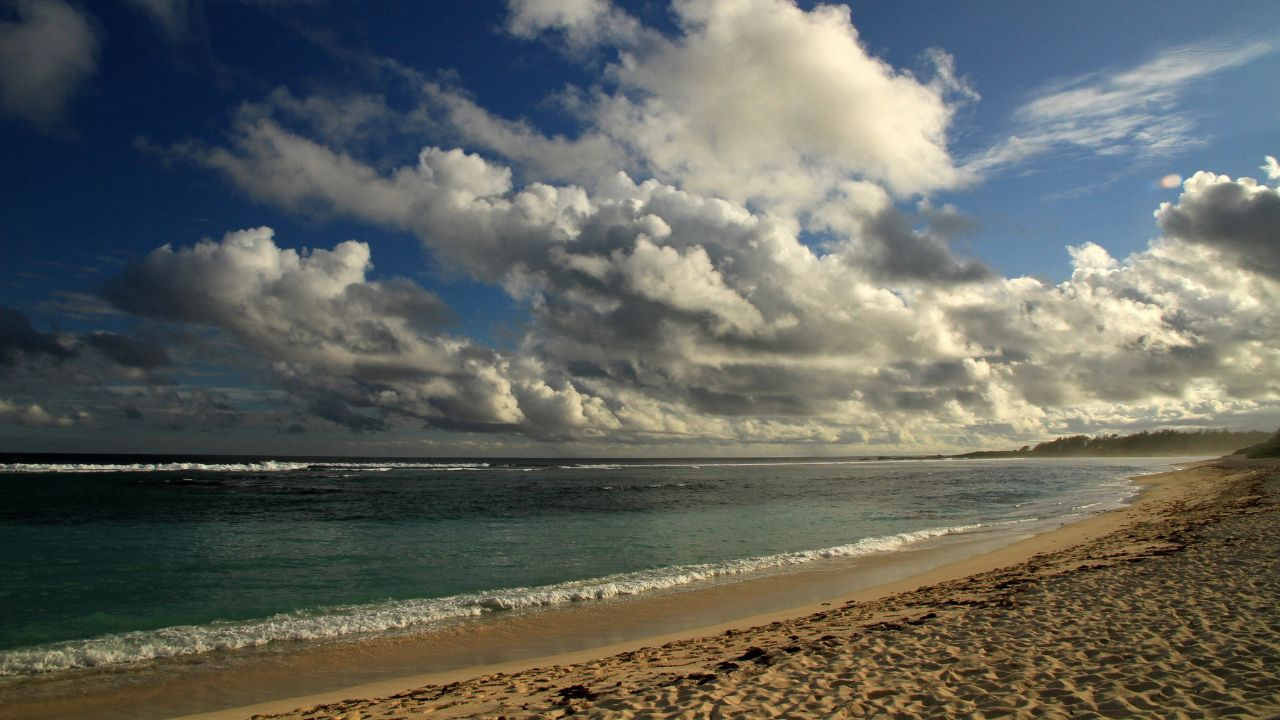
What off-peak Indian Ocean property actually offers
Every property market has a season. The Gulf slows in summer when temperatures make outdoor activity impossible. The Caribbean closes during hurricane season. The Alps empty when the snow melts and the ski season ends.
The Indian Ocean has the monsoon. From November to April the Seychelles, Mauritius and the Maldives experience increased rainfall, stronger winds and ocean conditions that make the beach less appealing than the brochures suggest. Tourist arrivals drop. Resorts offer discounts. Property transactions slow.
And yet there is a specific type of buyer who understands that the monsoon season is not a barrier to Indian Ocean property investment. It is the opportunity.
What the monsoon actually means.
The Indian Ocean monsoon is not a singular event. It is a seasonal wind pattern that determines rainfall, sea conditions and temperature across the region. The southwest monsoon runs from May to October bringing drier conditions and calmer seas to most of the Indian Ocean islands. The northeast monsoon runs from November to April bringing increased rainfall and rougher ocean conditions.
The impact varies by location. The Seychelles experiences its wettest months from December to February with average rainfall approximately double the dry season levels. Ocean swells increase and some beaches become less swimmable. Mauritius sees its cyclone season from November to April with increased rainfall particularly on the east coast. The Maldives monsoon brings stronger winds and rougher seas particularly affecting the southern atolls.
This is not the Caribbean hurricane season where tropical storms make entire regions genuinely dangerous for weeks at a time. This is seasonal weather variation that makes the islands less perfect than they are during the dry season but still substantially more pleasant than most places on earth during their winter months.
The tourism industry treats the monsoon as low season because the European and North American buyers who drive high season demand prefer guaranteed sunshine over occasional rain. The property market follows the same pattern. Listings increase during monsoon season. Buyers reduce offers. Sellers who need to transact accept prices they would reject during peak season.
The pricing dynamics and what they reveal about seller motivation.
Property prices in the Indian Ocean do not follow the mechanical seasonality of hotel room rates. A villa that commands USD 1.5 million in May does not drop to USD 1.2 million in December simply because the season changed. But the negotiating dynamics change substantially.
During high season — May to October — sellers have multiple buyer inquiries, can wait for better offers, and have no urgency to transact. The buyer who wants to negotiate aggressively finds limited traction because the seller has alternatives. Transactions that close during high season typically close near asking price or with minimal discounts.
During monsoon season the dynamics reverse. Buyer inquiries drop. Properties sit on the market longer. Sellers who need to complete transactions before year-end for tax or estate planning reasons become more willing to negotiate. The buyer who arrives with capital ready to deploy finds substantially more leverage than the same buyer would have during peak season.
The discounts are real but not universal. A well-positioned property in Mauritius' prime IRS developments might trade at 5 to 10 percent below peak season pricing during monsoon months. A property that has been listed for six months or longer without serious offers might trade at 15 to 20 percent below asking. Distressed sellers — those facing divorce, estate liquidation or financial pressure — might accept 25 to 30 percent below what they would have demanded during high season.
The buyers who benefit most from monsoon season pricing are those with cash ready to deploy, willingness to move quickly when the right property appears, and enough market knowledge to distinguish between genuine value and properties that are cheap for good reason.
The locals-only experience and what it reveals about place.
There is a version of the Seychelles, Mauritius and the Maldives that exists only during monsoon season. The resorts are half-empty. The beaches are uncrowded. The restaurants that normally require advance reservations have tables available. The islands breathe differently when the tourist masses are absent.
For the buyer evaluating whether to own property in the Indian Ocean rather than simply visit occasionally this distinction matters substantially. The high season experience is what the brochures show. The monsoon season experience is what daily life actually feels like for the people who live there year-round.
The buyer who visits Mauritius in July sees Grand Baie crowded with European tourists, restaurants fully booked, and beaches occupied by people who arrived last week and will leave next month. That is not an authentic experience of the island. That is the tourist experience overlaid on the island.
The buyer who visits Mauritius in January sees Grand Baie occupied primarily by locals and long-term residents. The restaurants are open but not overwhelmed. The beaches are accessible without competing for space. The pace is slower, the interactions are more genuine, and the island reveals what it actually is rather than what it becomes during peak tourist season.
This matters for the buyer whose intention is not seasonal tourism but year-round ownership or extended residence. The monsoon season experience is the reality they will inhabit. The high season experience is the interruption they will tolerate.
The buyers who understand this distinction are those who visit during monsoon season deliberately — not because they are seeking discounts but because they want to understand what the place actually feels like when the crowds are gone. Those buyers make better long-term property decisions because they are evaluating the year-round reality rather than the seasonal fantasy.

The specific advantages for buyers who understand seasonality.
The buyer who approaches Indian Ocean property with a sophisticated understanding of seasonality gains several specific advantages over buyers who time their involvement around high season.
First, access to inventory that peak season buyers never see. Properties that list during monsoon season and sell before high season arrives never make it to the broader market that activates during peak months. The seller who needs to transact during low season accepts offers from the buyers who are present rather than waiting for theoretical better offers during high season.
Second, leverage with developers and sellers who are motivated by calendar-year targets. Developers closing financial years in December or property owners settling estates before year-end tax filing deadlines will negotiate more aggressively in November than they will in June. The buyer who arrives in November with capital ready to deploy extracts better terms than the buyer who arrives in June when the seller has time to wait.
Third, genuine understanding of the property's year-round characteristics. A villa that looks perfect during July's dry weather may reveal drainage issues, maintenance problems or environmental challenges during monsoon season. The buyer who inspects the property during monsoon conditions sees what the property actually requires rather than what it looks like under ideal circumstances.
Fourth, access to professional services with available capacity. Attorneys, property managers, architects and contractors are busiest during high season when transaction volume peaks. During monsoon season those same professionals have capacity to engage deeply with clients rather than rushing through transactions to serve the next buyer in queue. The quality of advice and execution improves when the professionals are not overwhelmed.
The buyers who get this right versus those who do not.
The buyer who approaches monsoon season strategically treats it as the optimal time to evaluate, negotiate and transact Indian Ocean property. They visit during low season deliberately to see the year-round reality. They negotiate knowing sellers face reduced leverage. They inspect properties under challenging conditions to understand maintenance requirements. And they deploy capital when inventory is available and competition is minimal.
The buyer who approaches monsoon season reactively sees only the downsides. They avoid the region entirely during low season because the weather is not guaranteed perfect. They wait for high season to visit and discover that properties are overpriced, inventory is limited, and sellers have no incentive to negotiate. They end up paying peak season premiums for properties that monsoon season buyers acquired months earlier at substantial discounts.
The distinction is not subtle. The buyers who understand seasonality as an opportunity acquire better properties at better prices with better information than the buyers who treat seasonality as a barrier to be avoided.
What Malik thinks.
Monsoon season is the Indian Ocean property market's best-kept secret. Not because the weather is better than high season — it is not. Because the pricing is better, the inventory is deeper, the seller leverage is weaker, and the year-round character of the place is visible rather than obscured by tourist crowds.
The buyers who avoid the Indian Ocean entirely from November to April are making a category error. They are treating property investment like tourism and optimising for guaranteed sunshine rather than for market conditions that create value.
The buyers who deliberately visit during monsoon season, who negotiate during months when sellers face reduced leverage, and who inspect properties under challenging conditions rather than ideal circumstances will make better long-term decisions and extract better pricing than buyers who limit their engagement to peak months.
This is not for everyone. The buyer who wants a beach holiday and perfect weather should absolutely visit during high season. But the buyer who wants to own property in the Indian Ocean as a long-term investment or residence should approach monsoon season as the optimal time to understand what they are actually purchasing.
The rain does not make the Seychelles less beautiful. It makes the Seychelles less crowded. For the buyer who values authenticity over perfection that is not a compromise. That is exactly what they are looking for.