
Dubai’s Museum Boom: The Tadao Ando Inflection
Middle East
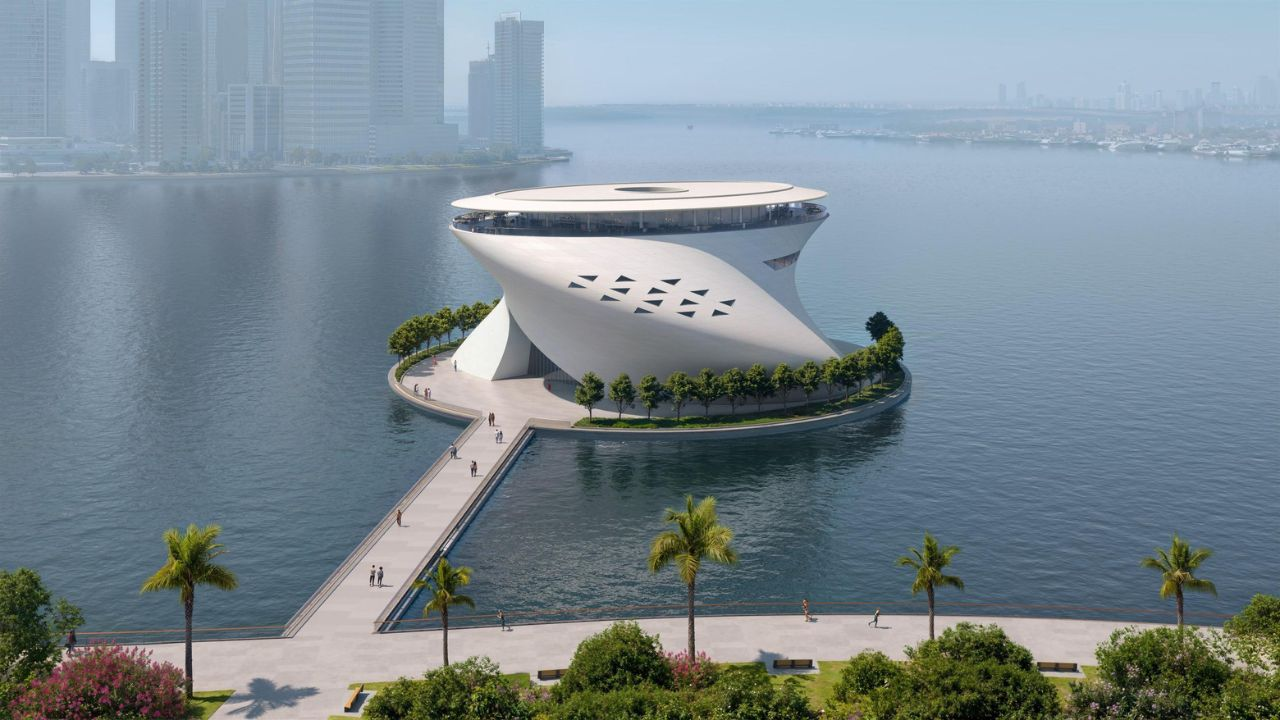
Why Tadao Ando is Designing a Floating Art Museum
There is a specific inflection point when a city stops competing on commerce and infrastructure and begins competing on culture and institutional depth. Dubai is approaching that point.
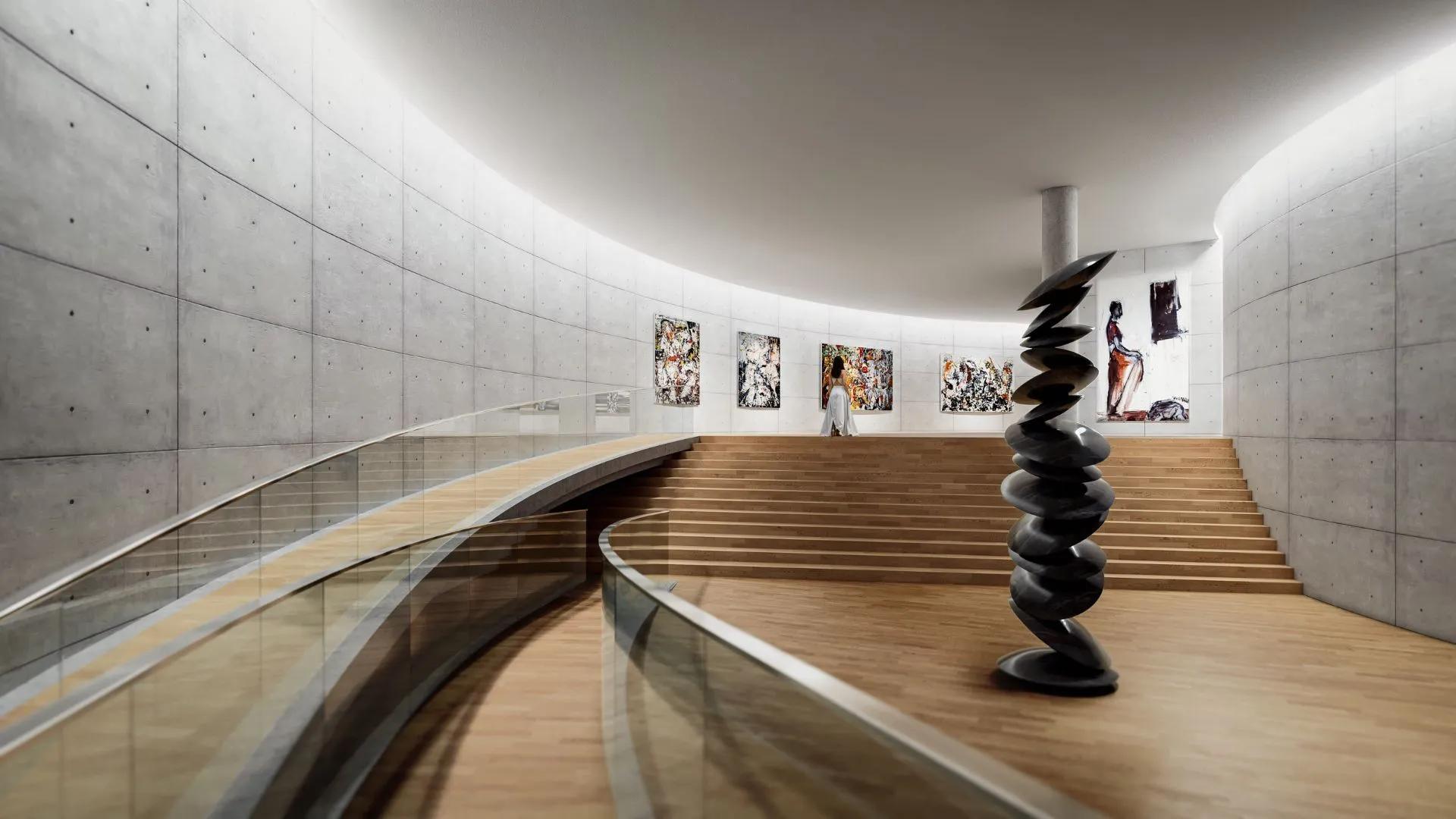
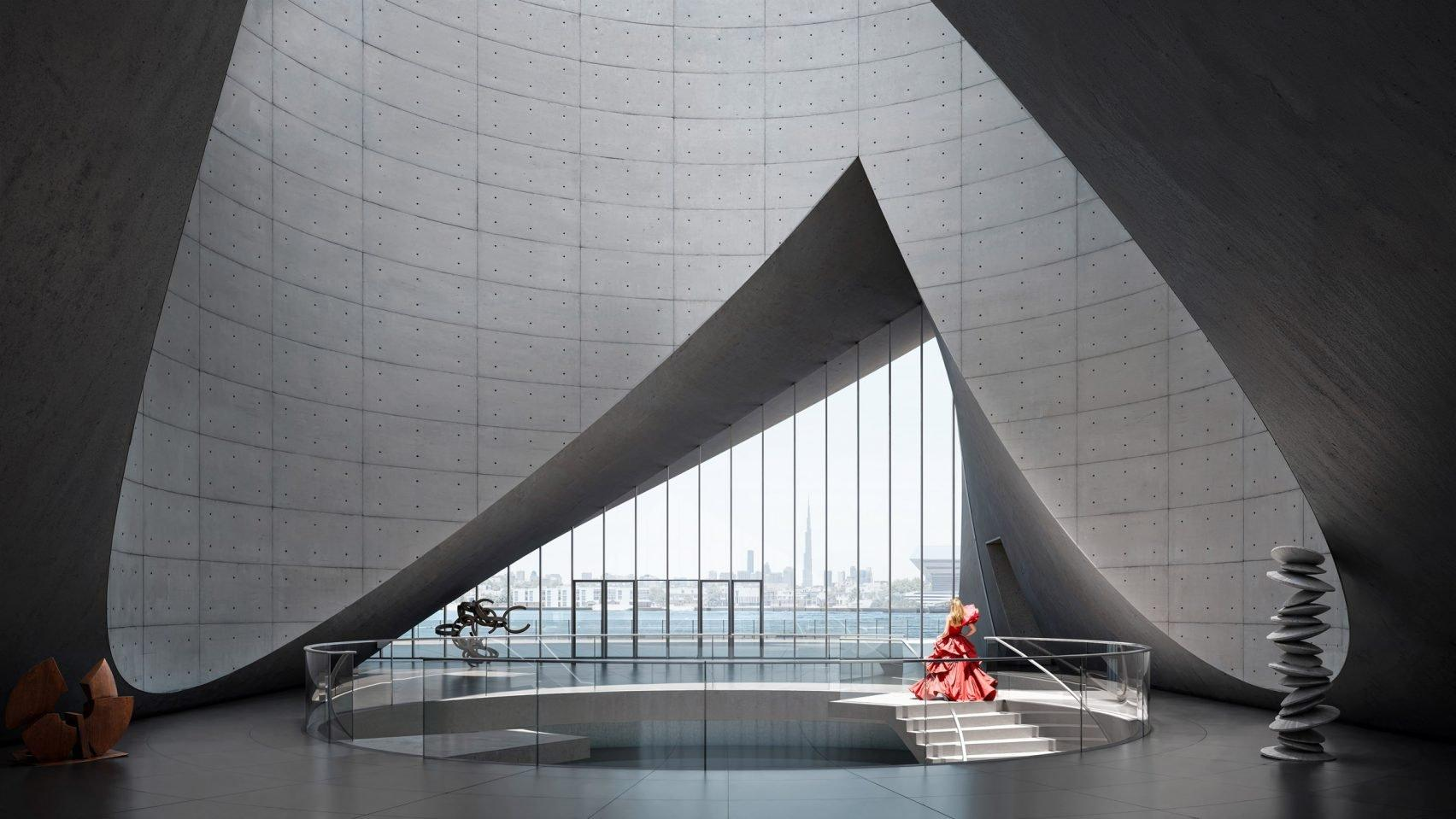
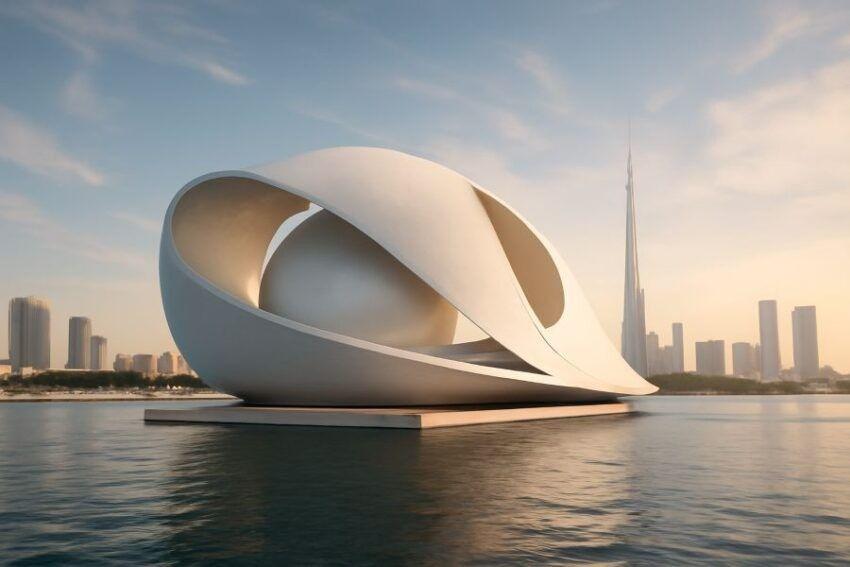
In October 2025, Dubai announced the Dubai Museum of Art—a five-storey structure designed by Japanese architect Tadao Ando to be built on the banks of Dubai Creek. The museum will appear to float on the water, employing Ando's signature minimalist aesthetic that has produced some of the world's most significant contemporary buildings.
This is not Dubai's first museum. But it is the first Dubai museum designed by an architect of Ando's calibre, positioned in a location of this prominence, and conceived at a scale that signals genuine institutional ambition rather than tourism infrastructure.
What Tadao Ando brings.
Tadao Ando is not a celebrity architect for hire. He is one of the most significant architects of the past fifty years, known for the minimalist Church of Light in Osaka, the Pulitzer Arts Foundation in St. Louis, and the Museum of Modern Art in Fort Worth. His buildings are characterized by the use of raw concrete, natural light, and a relationship to water and landscape that blurs the boundary between architecture and environment.
When Dubai commissions Ando to design a museum on Dubai Creek, it is not just buying a building. It is buying institutional credibility. Ando's presence signals that Dubai is serious about its cultural infrastructure in a way that goes beyond hospitality, retail, and entertainment.
The museum's location on Dubai Creek is equally significant. The Creek is Dubai's historical and cultural heart—the waterway that made Dubai a trading hub long before oil was discovered. Building a world-class museum here is a statement that Dubai's cultural identity is rooted in its history, not just its contemporary ambition.
The broader museum boom.
The Dubai Museum of Art is part of a broader institutional expansion across the UAE. Abu Dhabi has the Louvre Abu Dhabi operational and the Guggenheim Abu Dhabi and Zayed National Museum scheduled for 2025 completion. The Natural History Museum Abu Dhabi, designed by Mecanoo and spanning 35,000 square metres, will house some of the planet's rarest specimens including Stan, the world-famous Tyrannosaurus rex skeleton.
Dubai is now matching that ambition. Beyond Ando's museum, the city is developing cultural infrastructure that positions it not just as a commercial hub but as a genuine cultural destination. The timing is deliberate. As the UAE matures economically and demographically, the internationally mobile population that calls the UAE home is demanding the kind of cultural and intellectual infrastructure that exists in London, New York, Paris, and Singapore.
The property implications are significant. When a city invests at this scale in museums, universities, and cultural institutions, it is signaling that it is building for a timeline measured in generations. Buyers whose lifestyle requires proximity to cultural infrastructure—who want their children educated in schools connected to serious universities, who want museums as part of daily life rather than weekend tourism—respond to this kind of investment.
Art Dubai and the commercial ecosystem.
Art Dubai 2025, held at Madinat Jumeirah in April, featured more than 100 galleries from around the globe. The fair is not just a commercial event. It is evidence of a functioning art market ecosystem—galleries, collectors, curators, and institutional buyers operating in Dubai at a scale and sophistication that would not be sustainable without genuine demand.
The inaugural Public Art Abu Dhabi Biennial, running from November 2024 through April 2025, featured site-specific installations across downtown Abu Dhabi and Al Ain. The Sharjah Biennial, curated by Alia Swastika, Amal Khalaf, Megan Tamati-Quennell, Natasha Ginwala and Zeynep Öz, featured over 650 works by close to 200 participants.
These are not isolated events. They are components of a broader cultural infrastructure that positions the UAE—Dubai and Abu Dhabi specifically—as the Gulf's cultural centre and increasingly as a node in the global art world comparable to Hong Kong, Miami, and Basel.
What this means for property buyers.
The internationally mobile buyer whose life includes art, culture, and education as central components has historically had limited options in the Gulf. Abu Dhabi offered the Louvre and Saadiyat Island's cultural positioning. Dubai offered commerce, hospitality, and lifestyle but not cultural depth.
Dubai's museum boom changes that calculation. When the Tadao Ando museum opens, when the broader cultural infrastructure becomes operational, Dubai will offer something it has not previously offered—genuine cultural and intellectual context for daily life.
For the buyer considering Dubai Creek Harbour, Downtown Dubai, or other central locations, proximity to the Dubai Museum of Art and the broader cultural infrastructure will become a value driver in the same way that proximity to Central Park drives value in Manhattan or proximity to the Thames drives value in London.
The question is whether Dubai's cultural infrastructure will achieve the institutional depth and operational quality that Abu Dhabi has demonstrated with the Louvre. Museums are not just buildings. They are institutions that require curatorial expertise, collection depth, programming consistency, and community engagement. Dubai will need to demonstrate that it can deliver all of those components at the level that serious cultural buyers expect.
What Malik thinks.
Dubai's decision to commission Tadao Ando to design the Dubai Museum of Art is one of the most significant cultural commitments the city has made. It signals that Dubai is not satisfied with being the Gulf's commercial and hospitality capital. It wants to be the Gulf's cultural capital as well.
For the internationally mobile buyer, this matters. The buyer whose lifestyle requires cultural infrastructure—who wants their children growing up with museums, galleries, and intellectual engagement as part of daily life—now has two options in the Gulf where they previously had one. Abu Dhabi offers the Louvre, the Guggenheim, and Saadiyat's established cultural positioning. Dubai will offer Ando's museum, Art Dubai's commercial ecosystem, and the broader cultural infrastructure that is now being built.
The risk is execution. Museums are harder to build than residential towers. They require institutional depth, curatorial expertise, and operational consistency that cannot be purchased or constructed. Dubai will need to demonstrate that it can deliver not just the buildings but the institutions that make the buildings meaningful.
If it can, the property implications are substantial. Cultural infrastructure drives residential value in every major global city. There is no reason to believe the Gulf will be different.