
One&Only Seychelles: The Scarcity Premium
Indian Ocean
Why One&Only is building its most expensive resort in the Seychelles
There are properties that cost more to acquire. There are properties that generate higher returns. There are properties that appreciate faster and markets that offer greater liquidity.
And then there are properties that exist in a category where none of those conventional metrics adequately capture what is actually being purchased.
One&Only's investment in the Seychelles — specifically the development of what will be the brand's most expensive resort globally, One&Only Seychelles at North Island — represents this second category. It is not the most rational investment in hospitality real estate if the analysis begins and ends with spreadsheet returns. It is the most rational investment if the analysis begins with understanding what the ultra-high-net-worth buyer actually values when conventional luxury has become universally accessible and true scarcity has become the only luxury that money can reliably purchase.
What is being built.
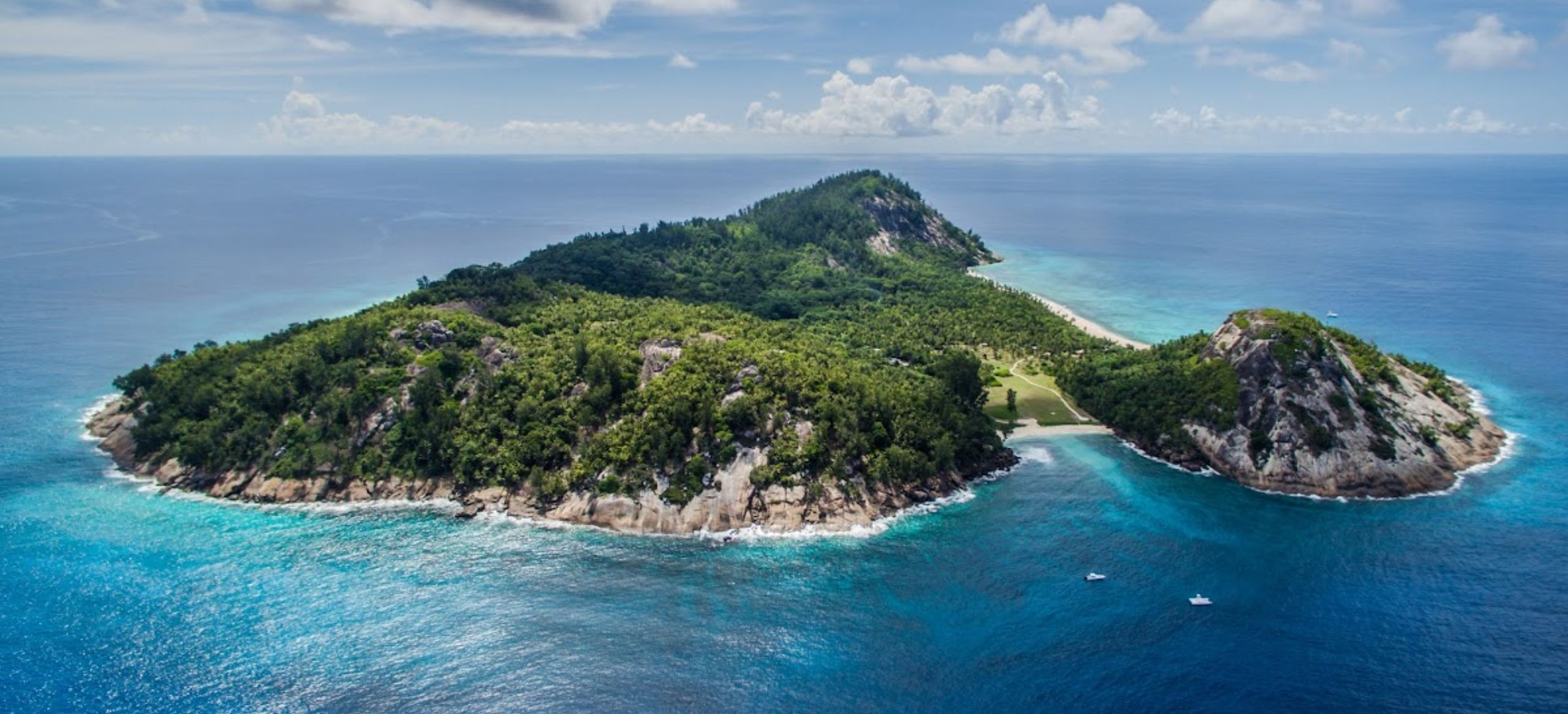
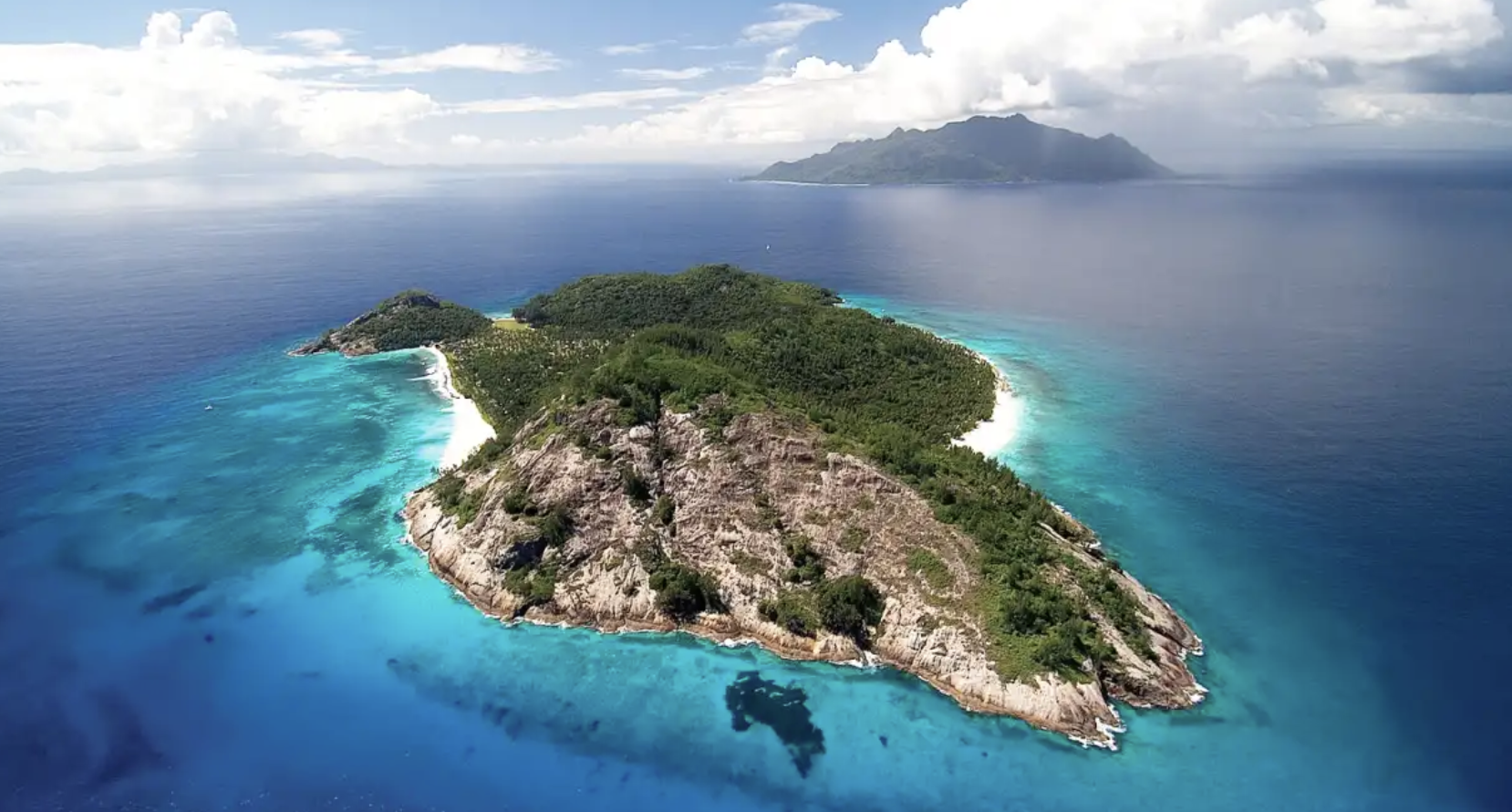
North Island sits 30 kilometres north of Mahé, the Seychelles' main island. It is 201 hectares of granite and vegetation in the Indian Ocean. Eleven villas. No additional rooms, no future expansion, no plans to increase density. The resort is designed for a maximum of 22 guests at absolute capacity.
One&Only acquired the property and committed to a complete reconstruction that will position it as the brand's flagship — its most exclusive, most expensive and most carefully managed asset globally. Nightly rates will exceed $10,000 USD in peak season. The villas range from one to four bedrooms across 450 to 750 square metres of interior space. Each has a private pool, dedicated villa host, outdoor pavilion and direct beach access on coastline that has no public right of way.
The island is operated as a nature reserve under Seychelles environmental law. The original owners — who developed the island before One&Only's acquisition — committed to conservation programmes that have restored endemic species populations and reforested previously degraded areas. One&Only has maintained and expanded those commitments. The property operates under ecological management standards that restrict development density, prohibit certain construction materials and require ongoing habitat restoration as a condition of the operating license.
This is not marketing material. This is regulatory reality. The Seychelles government treats islands like North Island as ecological assets under active management, not as development sites with incidental conservation programmes attached. The restrictions are real, the monitoring is consistent and the penalties for non-compliance include license revocation.
What it signals about the ultra-luxury buyer.
The ultra-high-net-worth buyer has changed. Not in preferences — in what is actually scarce enough to command attention.
Two decades ago luxury was defined by what money could build. The tallest building, the largest yacht, the most elaborate property development. The buyers who could afford those things competed on scale because scale was what differentiated one luxury purchaser from another. The market responded by building larger, taller, more elaborate and universally accessible luxury products.
That competition produced a paradox. True luxury — defined as genuine exclusivity, genuine scarcity, genuine separation from what money alone can manufacture — became impossible to purchase through conventional real estate channels. A penthouse in Dubai or London or New York, however expensive and however well appointed, exists in a market where dozens or hundreds of comparable properties compete for the same buyer. The exclusivity is economic, not environmental.
The Seychelles offers what cannot be manufactured. The islands that qualify for ultra-luxury resort development are limited by geography, protected by regulation and constrained by environmental carrying capacity in ways that no amount of capital can overcome. North Island is one of perhaps twenty islands globally that combine the natural environment, the regulatory framework and the physical isolation required to deliver genuine scarcity to a buyer whose primary concern is not cost but uniqueness.
One&Only is not building the most expensive resort in the Seychelles because the market can support that price point in volume. It is building the most expensive resort in the Seychelles because a specific subset of the ultra-high-net-worth market will pay extraordinary premiums for properties that cannot be replicated, cannot be scaled and will never become accessible to the merely wealthy.
The scarcity premium — why some properties will never have equivalents.
There are perhaps 200 private islands globally that could theoretically support ultra-luxury resort development. Of those, fewer than twenty meet the criteria that define true scarcity in this market: extraordinary natural environment, stable governance, protective environmental regulation, proximity to international connectivity and an existing luxury hospitality ecosystem.
The Seychelles has eleven of those twenty islands. The Maldives has six. French Polynesia has two. Fiji has one. The Caribbean has none that meet all criteria simultaneously — proximity to international connectivity eliminates most, hurricane exposure eliminates others, and governance instability eliminates the rest.
This is not opinion. This is the result of systematic analysis by the family offices and institutional investors who manage ultra-high-net-worth real estate portfolios. The islands that qualify for this category have been identified, evaluated and in most cases already acquired or placed under long-term development agreements. The scarcity is not artificial. It is geological, regulatory and ecological.
North Island's value proposition is permanent scarcity. The Seychelles government will not issue additional development permits for islands of comparable quality. The environmental regulations that protect North Island's ecology also prevent new construction that would dilute its exclusivity. The buyers who understand this are not purchasing a resort stay. They are purchasing access to an environment that will never be replicated and that their wealth cannot manufacture elsewhere.
The premium for that scarcity is measurable. A comparable villa at a Four Seasons or Ritz-Carlton resort in the Maldives — similar size, similar service, similar amenity — will cost $3,000 to $5,000 USD per night at peak season. One&Only North Island will command more than double that rate. The difference is not service quality. It is environmental uniqueness that no competitor can match.
What this means for the Indian Ocean property market.
The ultra-luxury segment of the Indian Ocean property market is bifurcating. On one side are the properties that compete on service, amenity and brand — the Four Seasons Seychelles, the One&Only Reethi Rah in the Maldives, the St. Regis Mauritius. These are extraordinary properties that deliver exceptional experiences at price points that reflect their quality.
On the other side are the properties that compete on scarcity — the private island resorts, the conservation-restricted developments, the properties where environmental regulation creates permanent supply constraints that no amount of capital can overcome. These properties command premiums not because they are better serviced or more luxurious but because they are genuinely irreplaceable.
One&Only's North Island investment signals where the top tier of the market is moving. The buyers with the most capital and the most sophisticated understanding of what money can and cannot purchase are moving toward properties defined by what cannot be built rather than what can. The family offices that allocate to this segment are not looking for yield. They are looking for assets that appreciate because they become more scarce over time rather than because markets improve.
For the international buyer evaluating Indian Ocean property this creates a decision point. The properties that compete on service and amenity will continue to offer excellent experiences and solid returns in markets with growing demand. The properties that compete on scarcity will offer something different — permanent differentiation from what conventional wealth can access, at price points that reflect that permanence.
What Malik thinks.
One&Only's commitment to the Seychelles at this price point is the clearest signal yet that the ultra-luxury segment of the Indian Ocean market has fundamentally changed. The buyers who define this tier are no longer competing on who can afford the most expensive property. They are competing on who can access the properties that will never have equivalents.
North Island is not for everyone. It is not designed to be. It is designed for the buyer who understands that true luxury in 2026 is not what money can build but what regulation, geography and ecology prevent from being built anywhere else.
The buyers who understand this distinction will find very few properties globally that deliver what North Island delivers. The buyers who do not understand this distinction should look elsewhere — there are dozens of extraordinary properties in the Indian Ocean that offer better value, better returns and better experiences for buyers whose primary criterion is not permanent scarcity.
The Seychelles has eleven islands that meet the criteria for genuine scarcity in ultra-luxury hospitality. One&Only now controls one of the best. The buyers who register what that means will understand why the price point is not a barrier. It is confirmation that the asset being purchased is genuinely irreplaceable.