
The Indian Ocean Citizenship Arbitrage
Indian Ocean | Residency
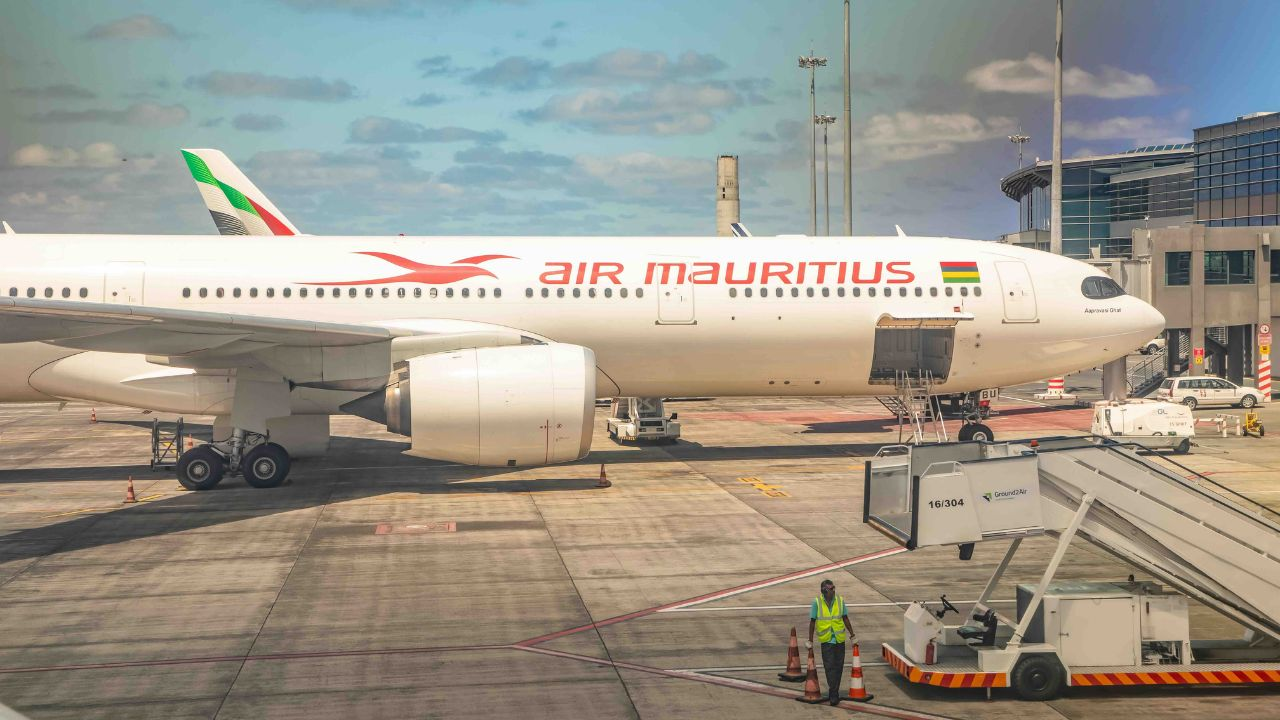
The Indian Ocean citizenship arbitrage: Vanuatu, Mauritius, and the passports that unlock the corridor
There is a specific arbitrage opportunity in global mobility that the internationally mobile buyer navigating the Gulf-Indian Ocean corridor understands but that conventional property investment analysis typically ignores.
The arbitrage is this: citizenship-by-investment programmes provide second passports that unlock property ownership rights, residence pathways and tax advantages across multiple jurisdictions in ways that the buyer's original passport does not. For the South African, Indian or Middle Eastern buyer whose primary passport constrains mobility and property access, acquiring a second citizenship that opens those pathways creates value substantially beyond the direct cost of the citizenship itself.
Vanuatu and Mauritius sit at the centre of this arbitrage. Not because their citizenship programmes are the cheapest or the fastest. Because they unlock the Gulf-Indian Ocean corridor in ways that other second citizenship options do not.
How citizenship-by-investment programmes actually work.
Citizenship-by-investment programmes grant full citizenship and passport rights in exchange for qualifying investments or donations. The programmes vary substantially in cost, processing time, due diligence standards and the rights the resulting passport provides.
The Caribbean programmes — St. Kitts and Nevis, Dominica, Antigua and Barbuda, Grenada, St. Lucia — offer passports at costs ranging from USD 100,000 to USD 200,000 through donation routes, or higher amounts through real estate investment. Processing takes 3 to 6 months. The passports provide visa-free access to the Schengen area, the UK and most of the Caribbean and Central America.
The European programmes — Cyprus historically, Malta and Montenegro currently — offer EU citizenship at significantly higher costs, typically EUR 1 million to EUR 2 million including required real estate investments. Processing takes 12 to 36 months. The passports provide full EU rights including residence anywhere in the European Union.
Vanuatu offers the fastest and one of the least expensive programmes globally. Citizenship through donation costs USD 130,000 for a single applicant, USD 180,000 for a family of four. Processing takes 30 to 60 days from application to passport issuance. The Vanuatu passport provides visa-free access to the Schengen area, the UK, Russia and most of the Pacific and Caribbean.
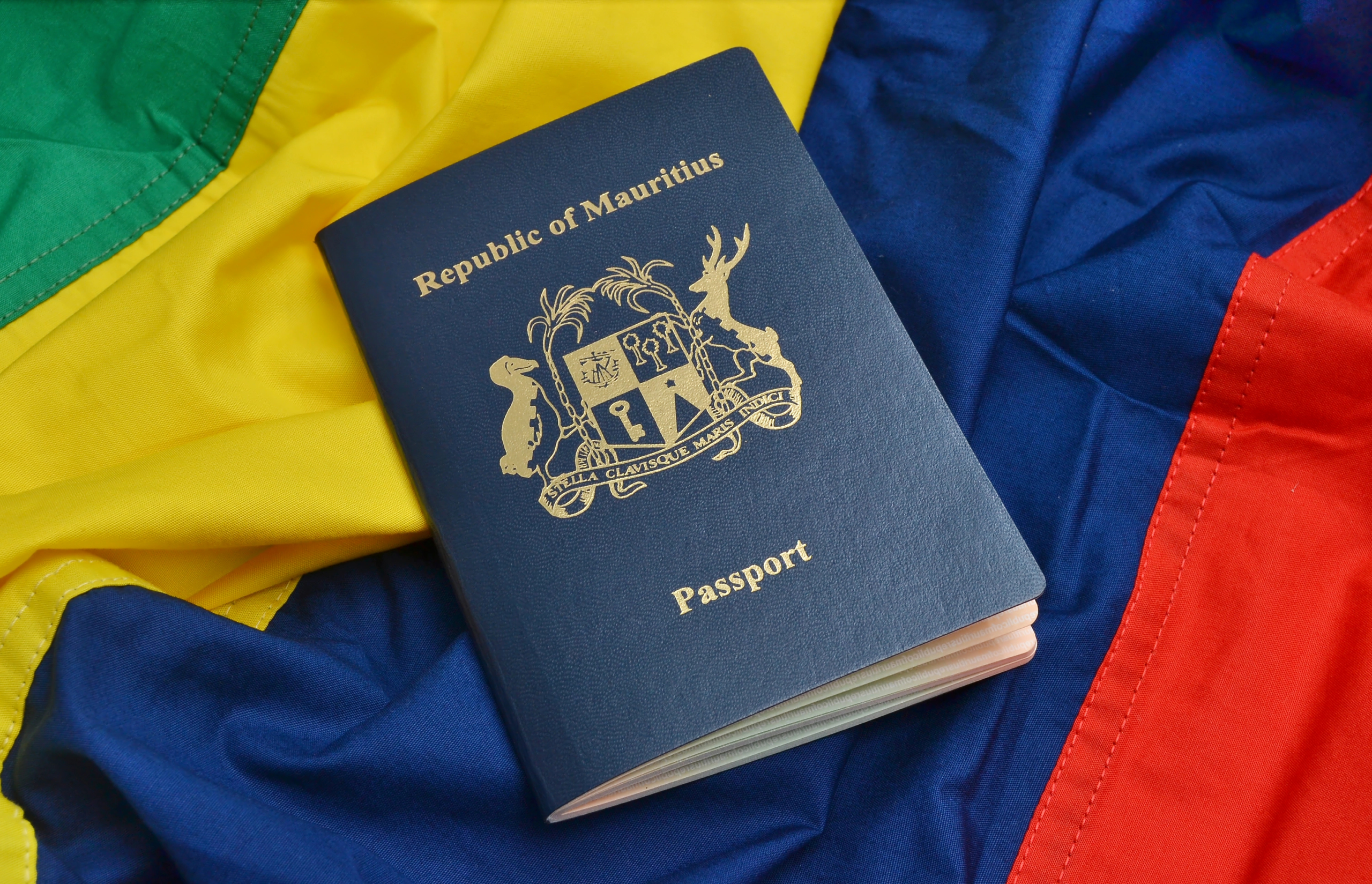
Mauritius does not operate a formal citizenship-by-investment programme in the way the Caribbean and Vanuatu do. Instead it offers permanent residence through property investment (the IRS framework) with a pathway to citizenship after seven years of continuous residence. For buyers seeking immediate citizenship Mauritius is not competitive. For buyers seeking permanent residence rights that may eventually lead to citizenship it offers a pathway integrated with property ownership.
The specific mobility and tax benefits for Gulf-Indian Ocean buyers.
The value of a second citizenship is not universal. It depends entirely on what the buyer's original passport provides and what restrictions it creates.
For the South African buyer the constraints are clear. The South African passport provides visa-free or visa-on-arrival access to fewer than 100 countries. Travel to the Schengen area, the UK and most of Asia requires advance visa applications with processing times and approval uncertainties that make frequent international travel complicated. The South African rand's long-term depreciation and the country's political trajectory create incentives for capital diversification that the South African regulatory environment makes difficult to execute.
A Vanuatu passport solves several of these constraints simultaneously. Visa-free access to the Schengen area eliminates the need for advance visa applications for European travel. The Vanuatu citizenship creates tax residence optionality — Vanuatu has no income tax, no capital gains tax and no inheritance tax. For the South African buyer structuring offshore wealth this creates planning opportunities that South African tax residence does not permit.
For the Indian buyer the constraints are different but equally material. The Indian passport provides reasonable global access but Indian tax residency creates reporting requirements and potential tax exposure on worldwide income that complicate offshore wealth management. India restricts dual citizenship — acquiring another citizenship requires renouncing Indian citizenship — but offers Overseas Citizen of India (OCI) status that provides most of the benefits of Indian citizenship without the tax residency obligations.
The combination of Vanuatu citizenship plus OCI status creates a structure that provides visa-free access to the Schengen area and the UK, tax residence in a zero-tax jurisdiction, and continued access to India for business and family purposes. The Indian buyer who executes this structure successfully gains mobility and tax efficiency that Indian citizenship alone cannot provide.
For the Gulf-based buyer — particularly those holding passports from countries with limited global access — a Vanuatu or Caribbean citizenship provides visa-free travel to regions where their original passport creates barriers. The Pakistani or Egyptian professional working in Dubai gains European and UK access. The Lebanese or Iraqi entrepreneur gains mobility across the Americas.
How this unlocks Indian Ocean property specifically.
The connection between second citizenship and Indian Ocean property ownership is not immediately obvious but becomes material for buyers navigating ownership restrictions and residence requirements.
Mauritius' IRS framework grants permanent residence rights to foreign property buyers. But "foreign" is defined by citizenship, not by physical residence. The South African buyer purchasing a Mauritius IRS property with a South African passport acquires permanent residence in Mauritius. The same buyer purchasing the same property with a Vanuatu passport acquires the same residence rights but with different tax planning options because Vanuatu's zero-tax regime creates structures that South African tax residency complicates.
The Seychelles restricts freehold property ownership to citizens or permanent residents in certain zones. Acquiring Seychelles permanent residence requires either significant investment or employment in the Seychelles. But the Seychelles grants visa-free access to Vanuatu passport holders, making the Seychelles accessible for extended stays without the visa complexity that many other passports create. For the buyer evaluating long-term Seychelles residence a Vanuatu passport simplifies access while permanent residence status is being established.
The Maldives' new freehold ownership framework within integrated resort developments does not restrict ownership by nationality but the residence and tax planning around that ownership benefits from passport flexibility. The buyer with a zero-tax citizenship can structure Maldives property ownership in ways that minimise global tax exposure while maintaining access to the Gulf for business and the Indian Ocean for lifestyle.
The serious analysis beyond the citizenship brochure.
The citizenship-by-investment industry markets heavily and often misleadingly. The brochures emphasise visa-free travel counts, luxury lifestyles and tax advantages without addressing the complexity that determines whether a second citizenship actually creates value for a specific buyer.
The first question is tax residency. Acquiring a second citizenship does not change where the buyer is tax resident. The South African who purchases Vanuatu citizenship but continues living in Johannesburg remains a South African tax resident subject to South African taxation on worldwide income. The citizenship creates planning opportunities but does not eliminate tax obligations unless the buyer physically relocates.
The second question is due diligence. Vanuatu, the Caribbean programmes and the European programmes all conduct background checks on applicants. The standards vary but all programmes will reject applicants with criminal records, questionable source of funds or connections to sanctioned entities. The buyer whose wealth comes from jurisdictions or industries that create due diligence concerns will find approval difficult regardless of their willingness to pay.
The third question is passport value degradation. Citizenship-by-investment programmes face ongoing political pressure from the jurisdictions that grant visa-free access to their passport holders. The European Union has repeatedly threatened to remove visa-free Schengen access from Caribbean and Pacific island programmes that it views as insufficiently rigorous in due diligence. If Schengen access is removed the value of those passports drops substantially.
The fourth question is opportunity cost. USD 130,000 for Vanuatu citizenship is not expensive in absolute terms but it is capital that could be deployed elsewhere. The buyer needs to analyse whether the mobility and tax benefits the citizenship provides are worth more than alternative uses of the same capital.
The buyers who approach this analysis seriously — who understand their current constraints, their specific needs, and the structures that second citizenship enables — will find genuine value in programmes like Vanuatu and the Caribbean options. The buyers who purchase citizenship because the brochure made it sound appealing will frequently be disappointed when the promised benefits do not materialise in their specific circumstances.
What Malik thinks.
Second citizenship is a tool, not a solution. For the buyer whose original passport creates genuine mobility constraints or whose tax residency complicates offshore wealth management, programmes like Vanuatu and the Caribbean options create real value. For the buyer whose passport already provides global mobility and whose tax situation is straightforward, second citizenship is an expensive solution to a problem they do not have.
The Gulf-Indian Ocean corridor creates specific circumstances where second citizenship becomes particularly valuable. The South African buyer seeking to diversify into Mauritius or Gulf property gains tax planning optionality. The Indian buyer structuring offshore wealth gains residence flexibility. The Gulf-based professional with a restricted passport gains European and UK access.
Vanuatu offers the fastest and most cost-efficient programme for buyers who need mobility immediately. Mauritius offers the integration of property ownership with residence rights that may eventually lead to citizenship. The Caribbean programmes offer middle-ground options with established track records and reasonable pricing.
The buyers who will benefit most from this arbitrage are those who understand their constraints precisely, have analysed how second citizenship removes those constraints, and have structured their tax and residence planning to maximise the value the citizenship creates. The buyers who purchase citizenship without that analysis will own an expensive passport that provides benefits they cannot use.
The corridor between the Gulf and the Indian Ocean is increasingly populated by internationally mobile buyers who hold multiple passports, structure wealth across multiple jurisdictions, and use citizenship as one component of broader mobility and tax planning. That is not for everyone. But for the buyers who need it, the citizenship arbitrage is real, the benefits are measurable, and the programmes that serve this corridor specifically are worth serious consideration.